About the Destination
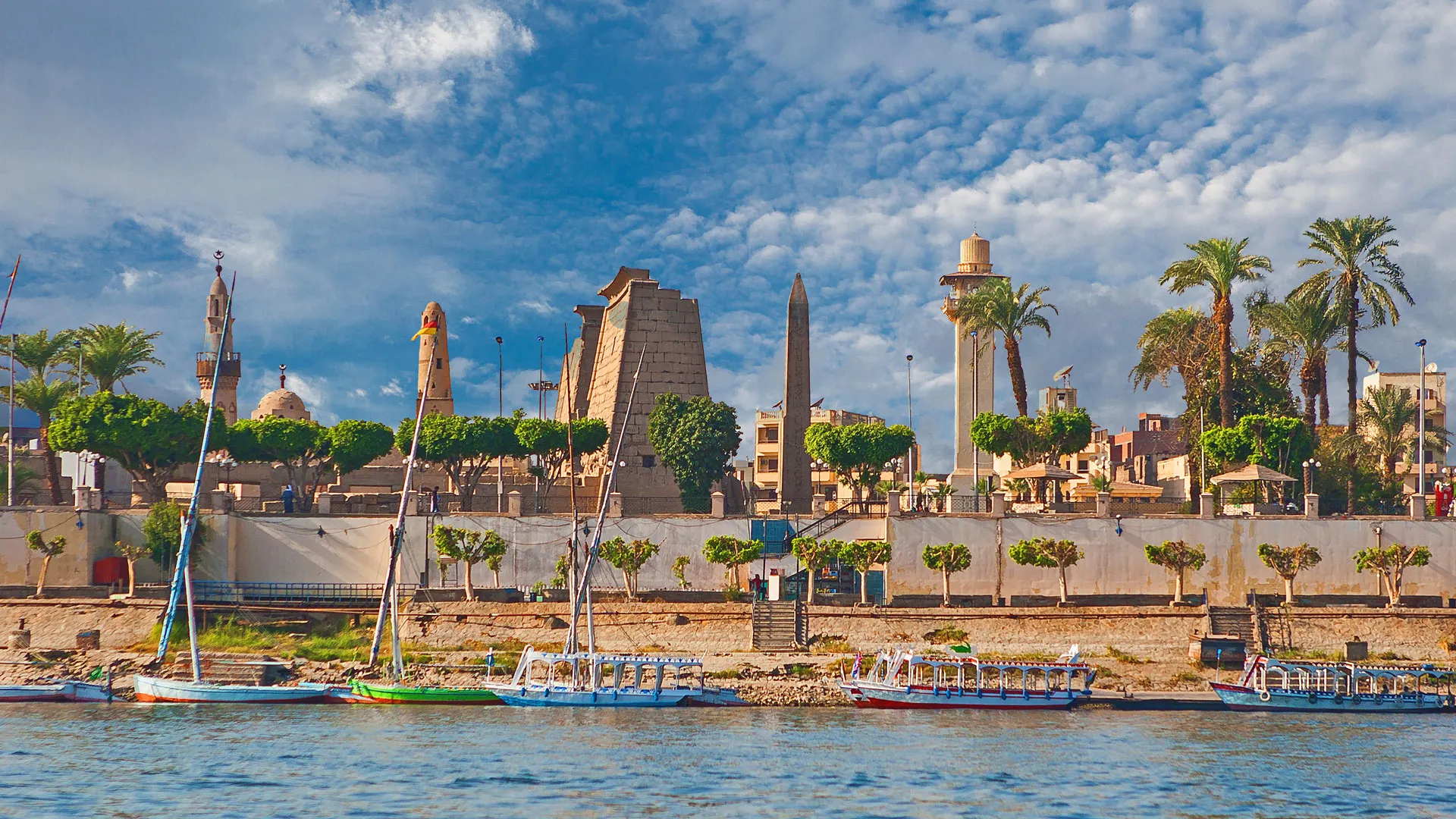
Luxor is ancient Thebes, capital of Egypt at the height of the New Kingdom, and is often called the world's greatest open-air museum. The Nile divides it in two: temples on the east bank, where the living worshipped, and tombs on the west bank, where the pharaohs were buried.
What Luxor is known for
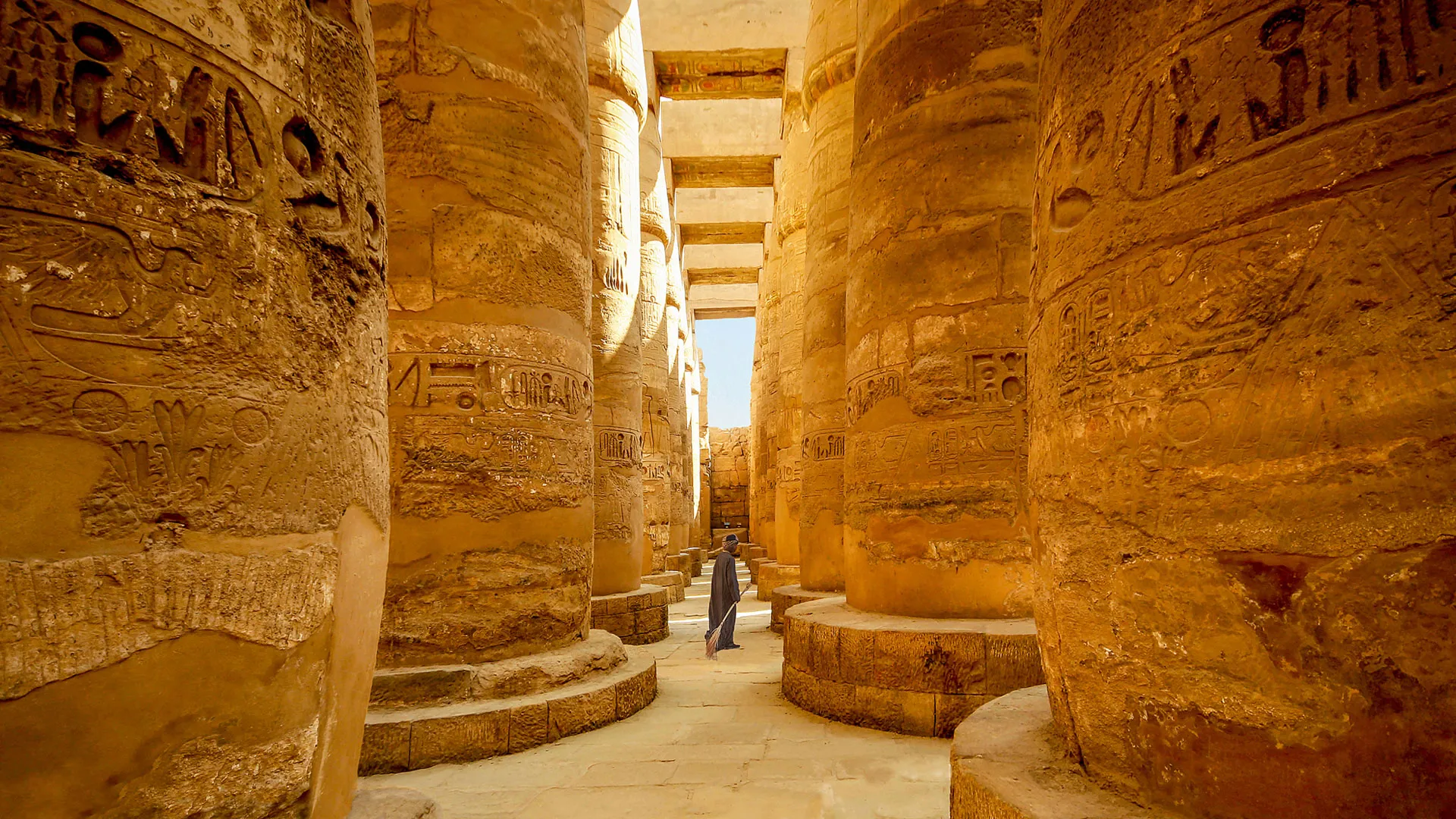
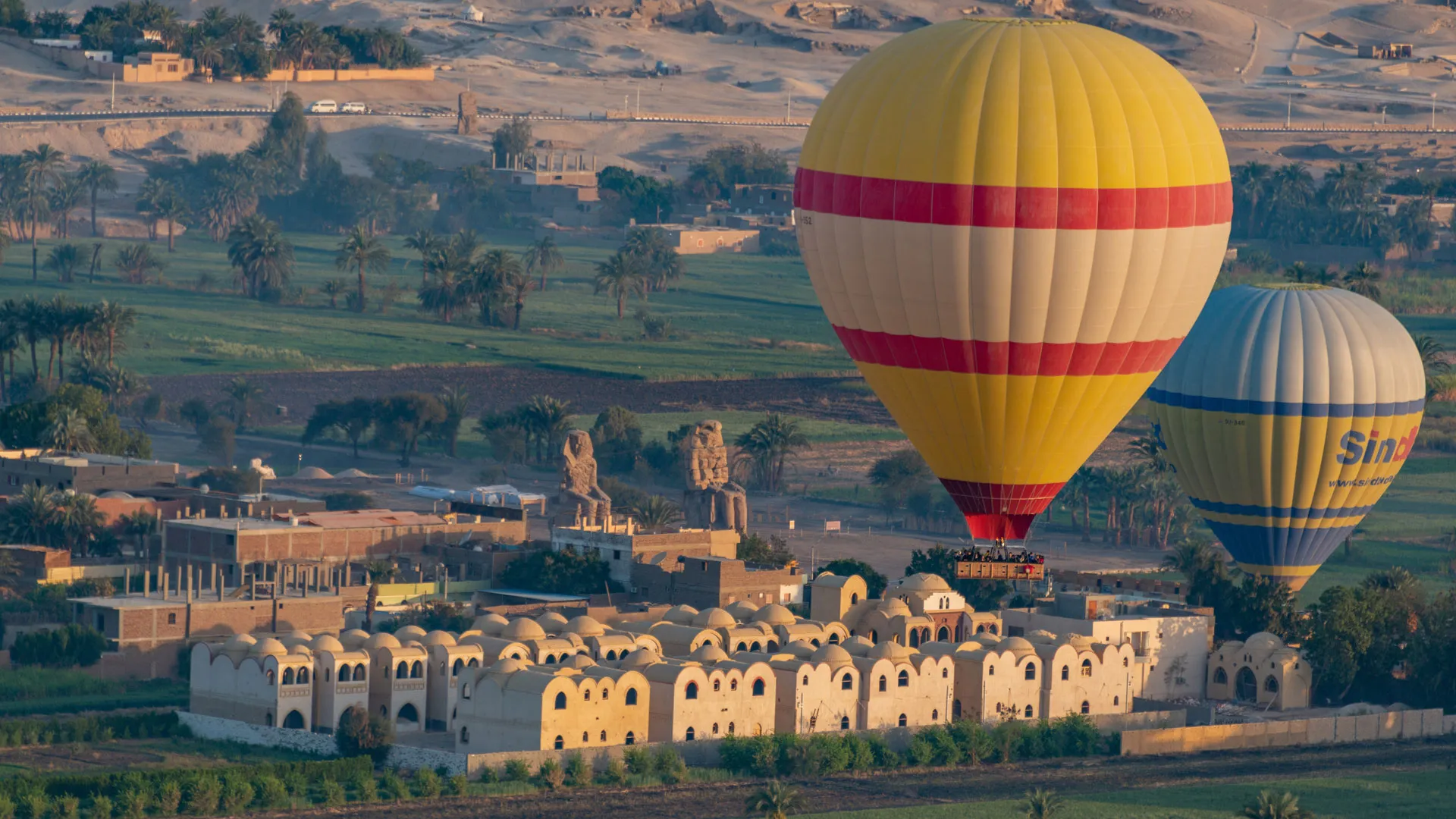
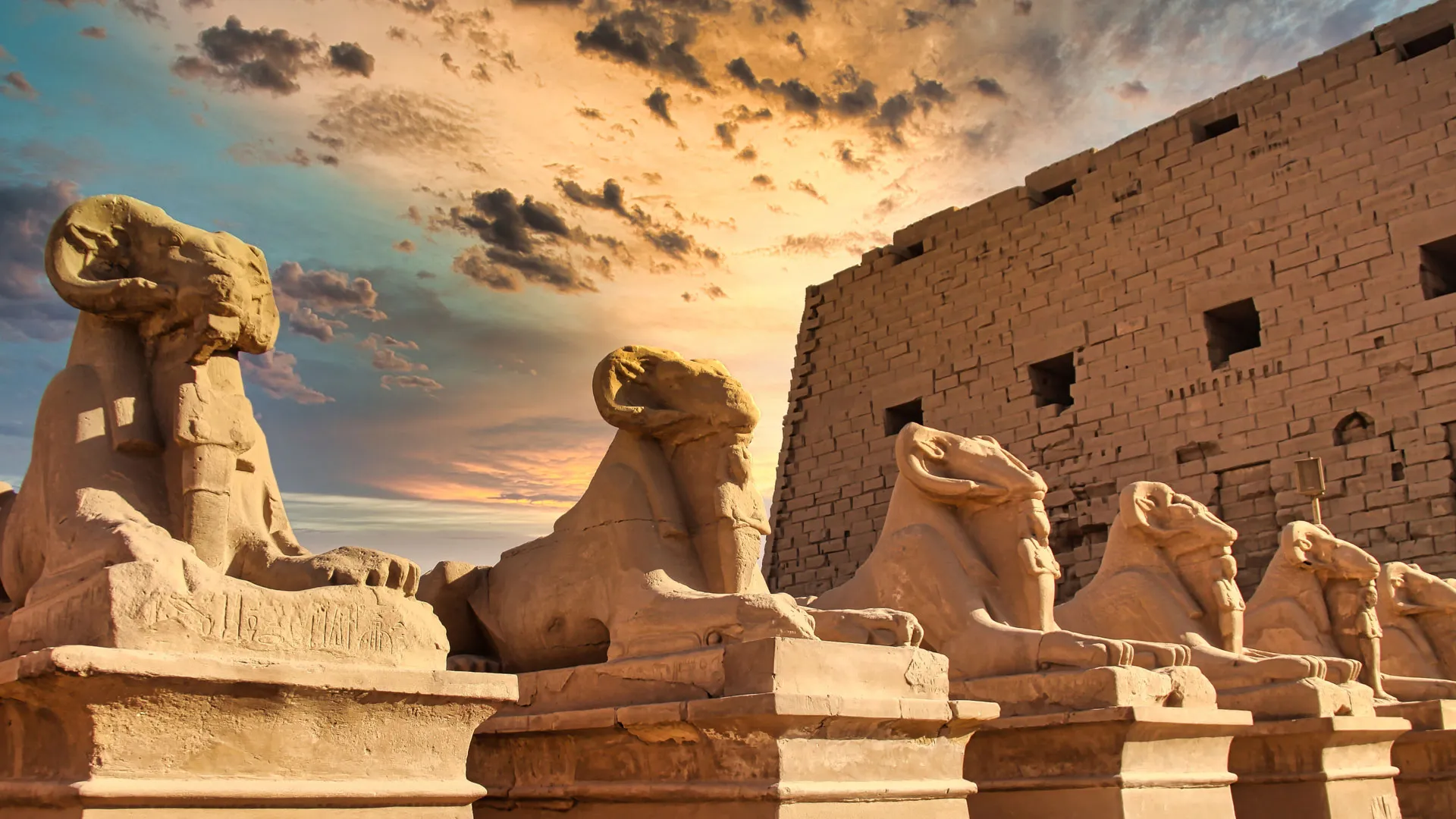
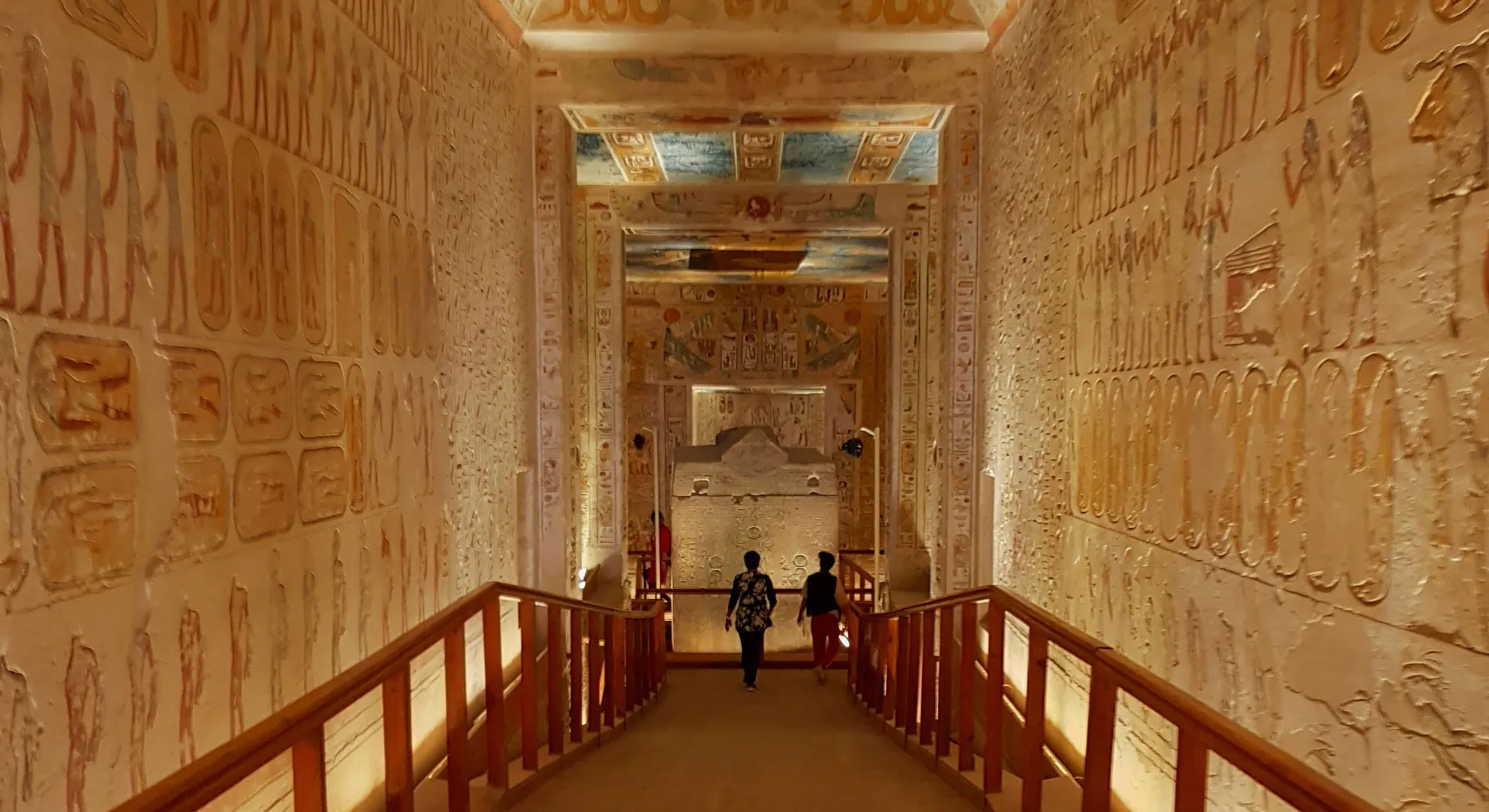
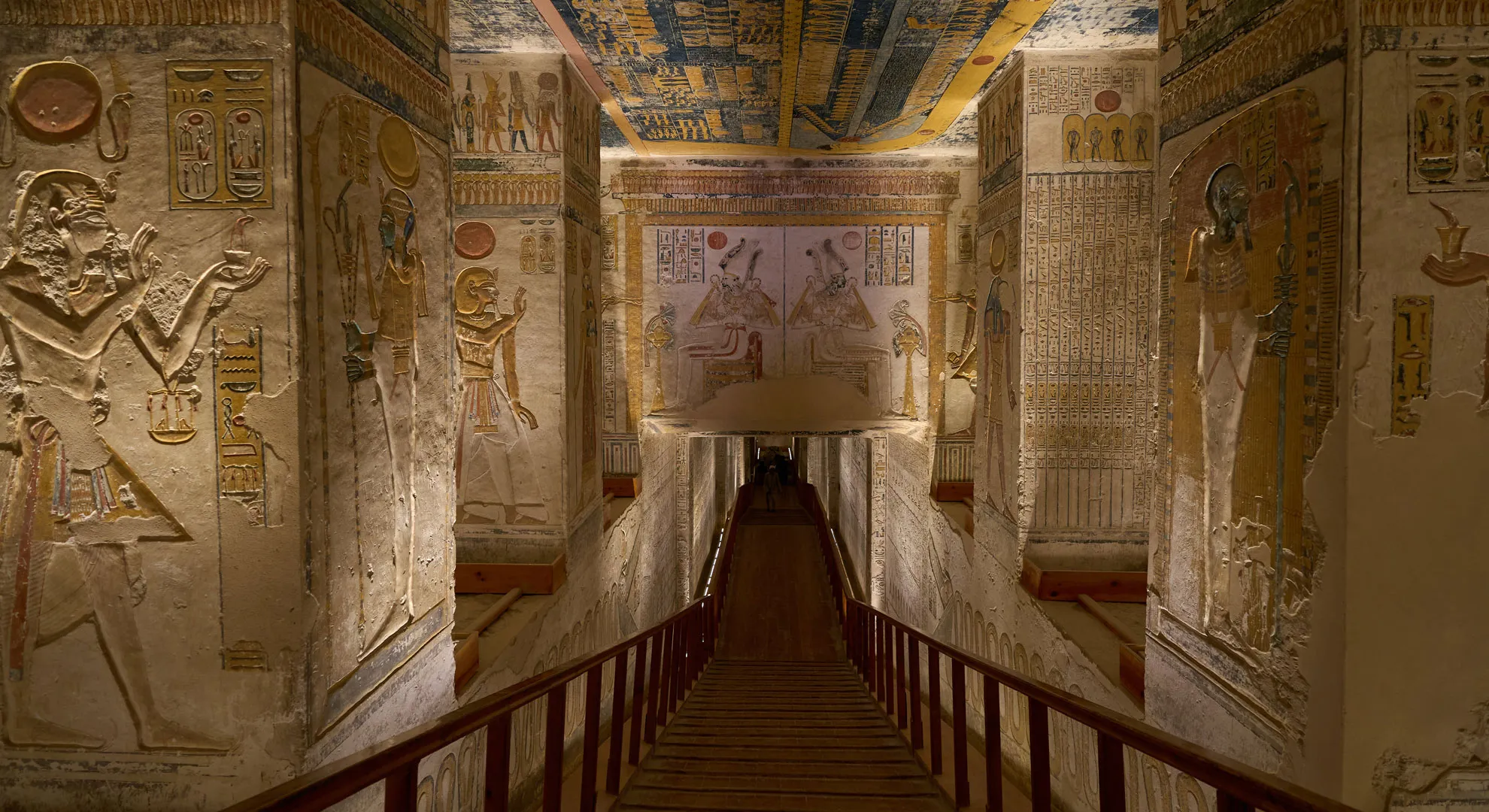
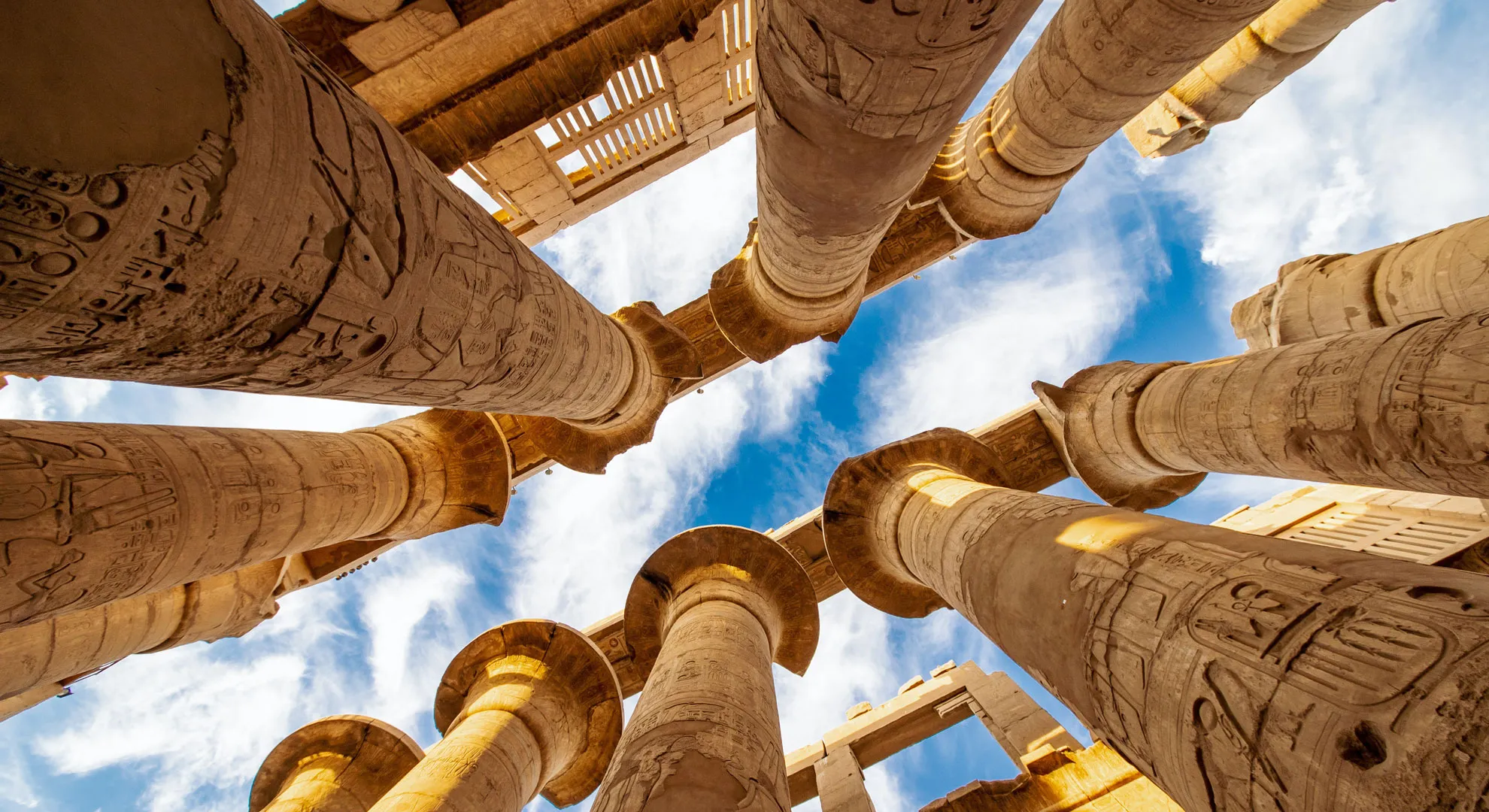
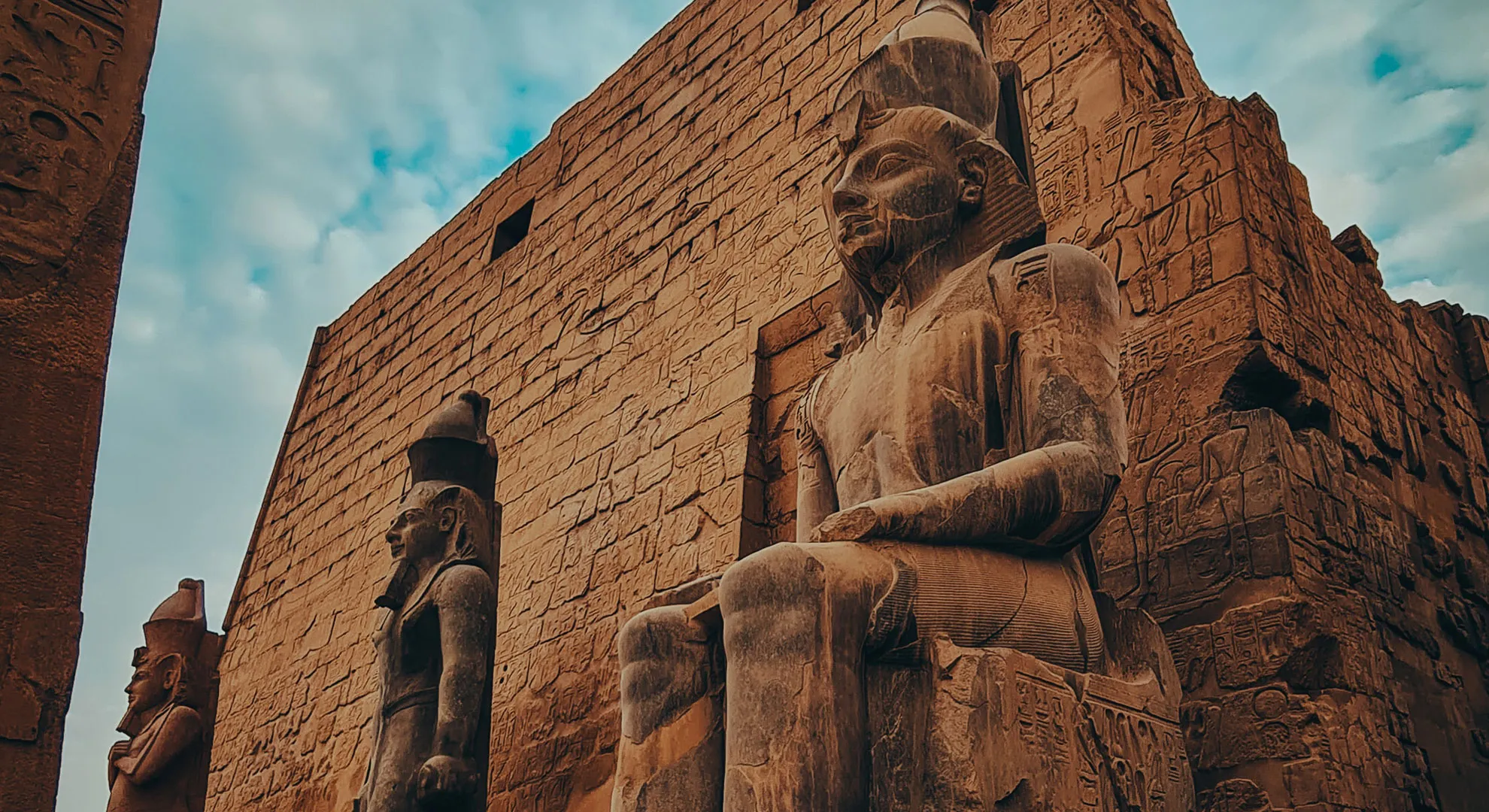
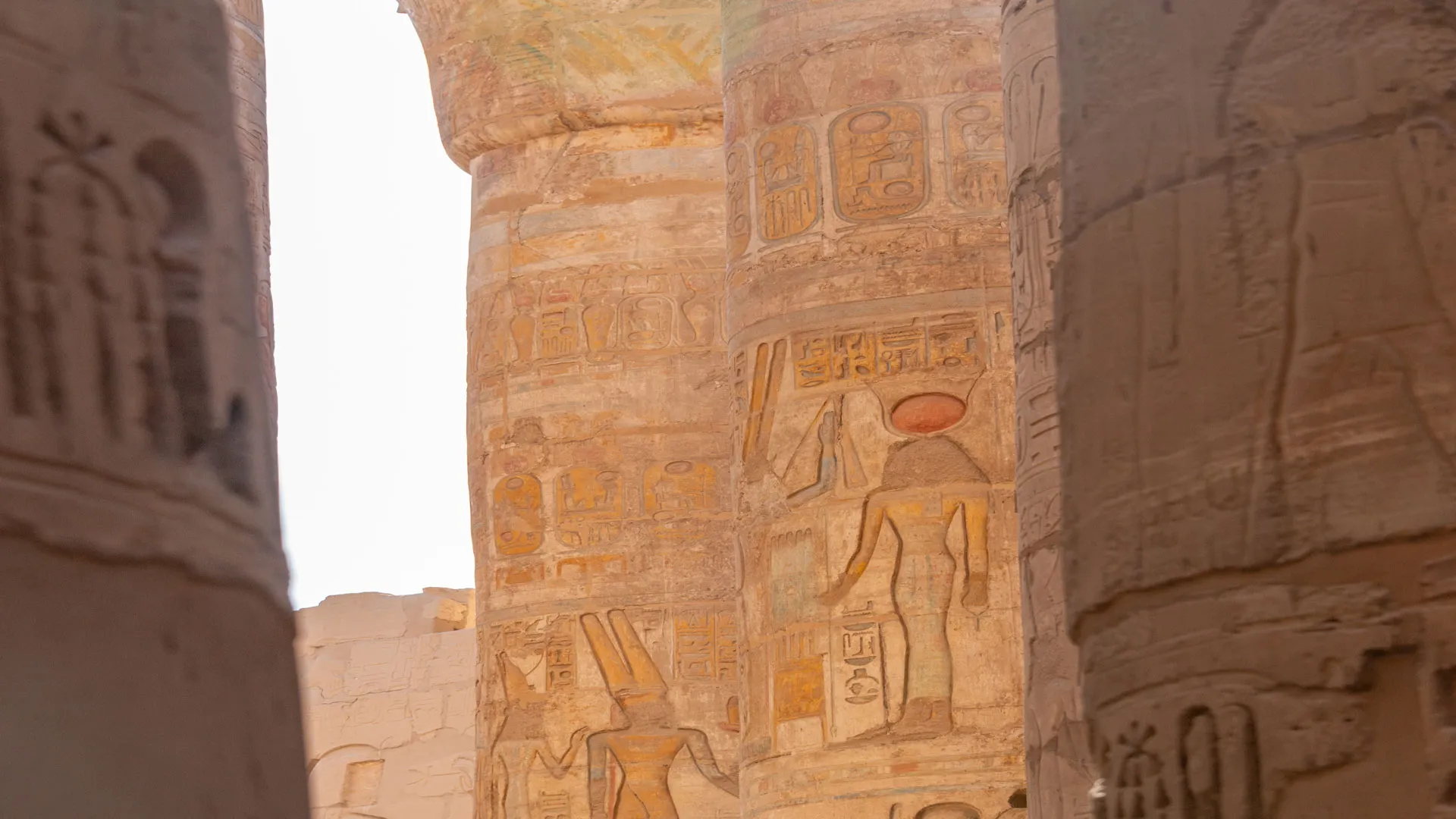
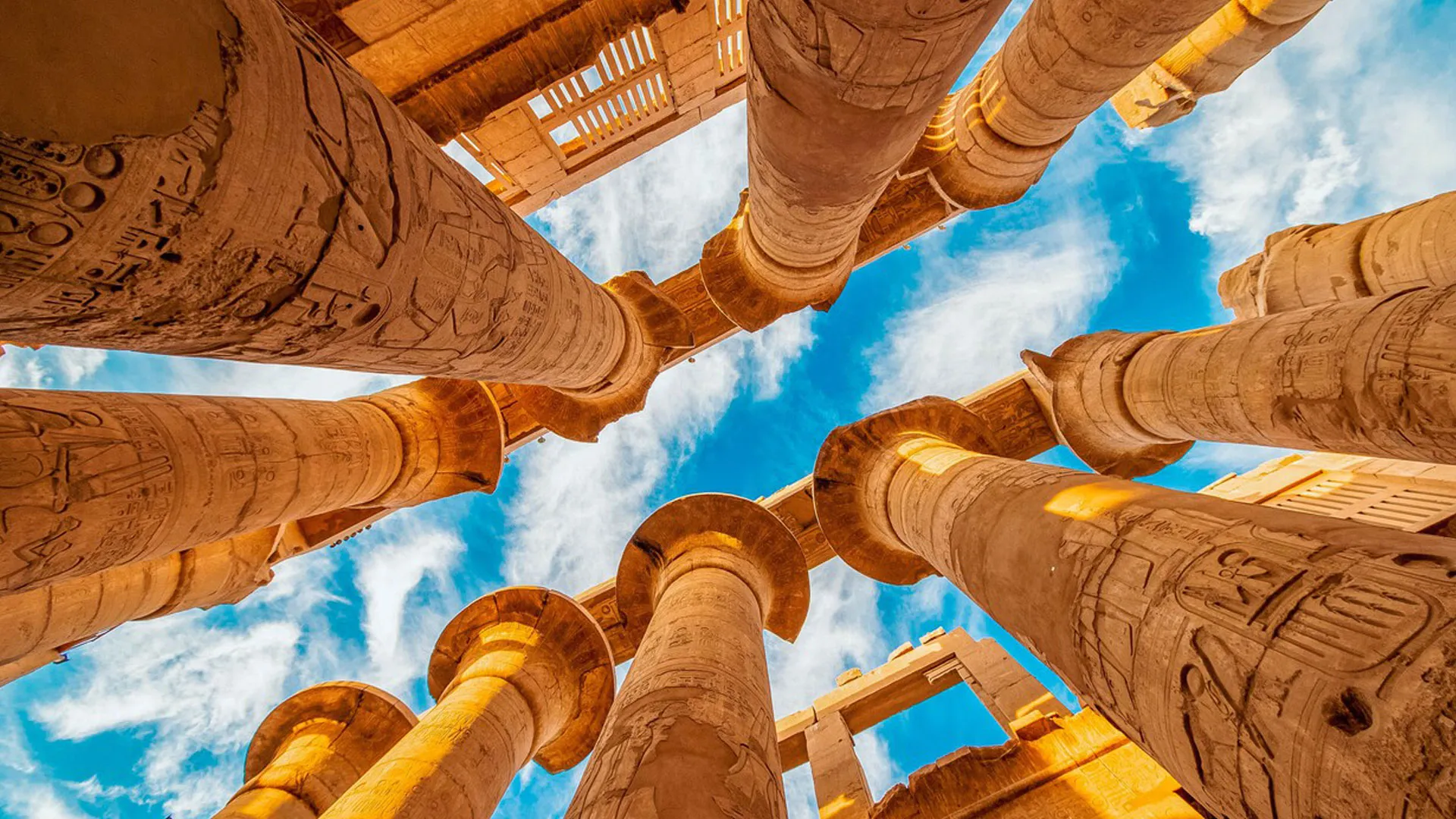
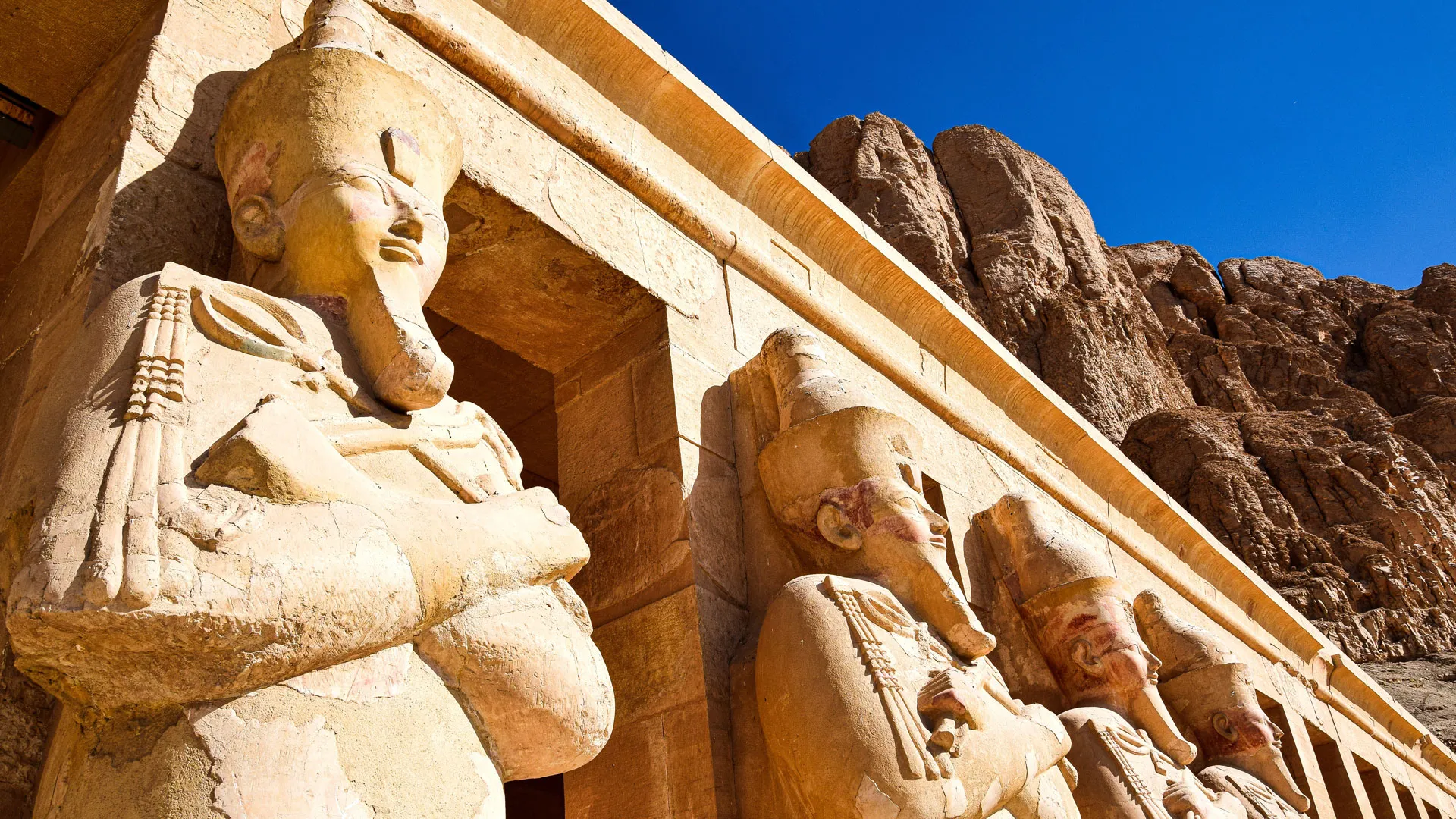
On the east bank, Karnak Temple is the largest religious complex ever built, joined to Luxor Temple by the restored Avenue of Sphinxes. On the west bank lie the Valley of the Kings (including Tutankhamun's tomb), the Temple of Hatshepsut at Deir el-Bahari, Medinet Habu, the Valley of the Queens and the Colossi of Memnon. At dawn, hot air balloons float over it all.
Best time to visit
October to April is ideal. Summer is extremely hot (often above 40°C), so if you come then, start at sunrise and rest at midday.
How long to stay
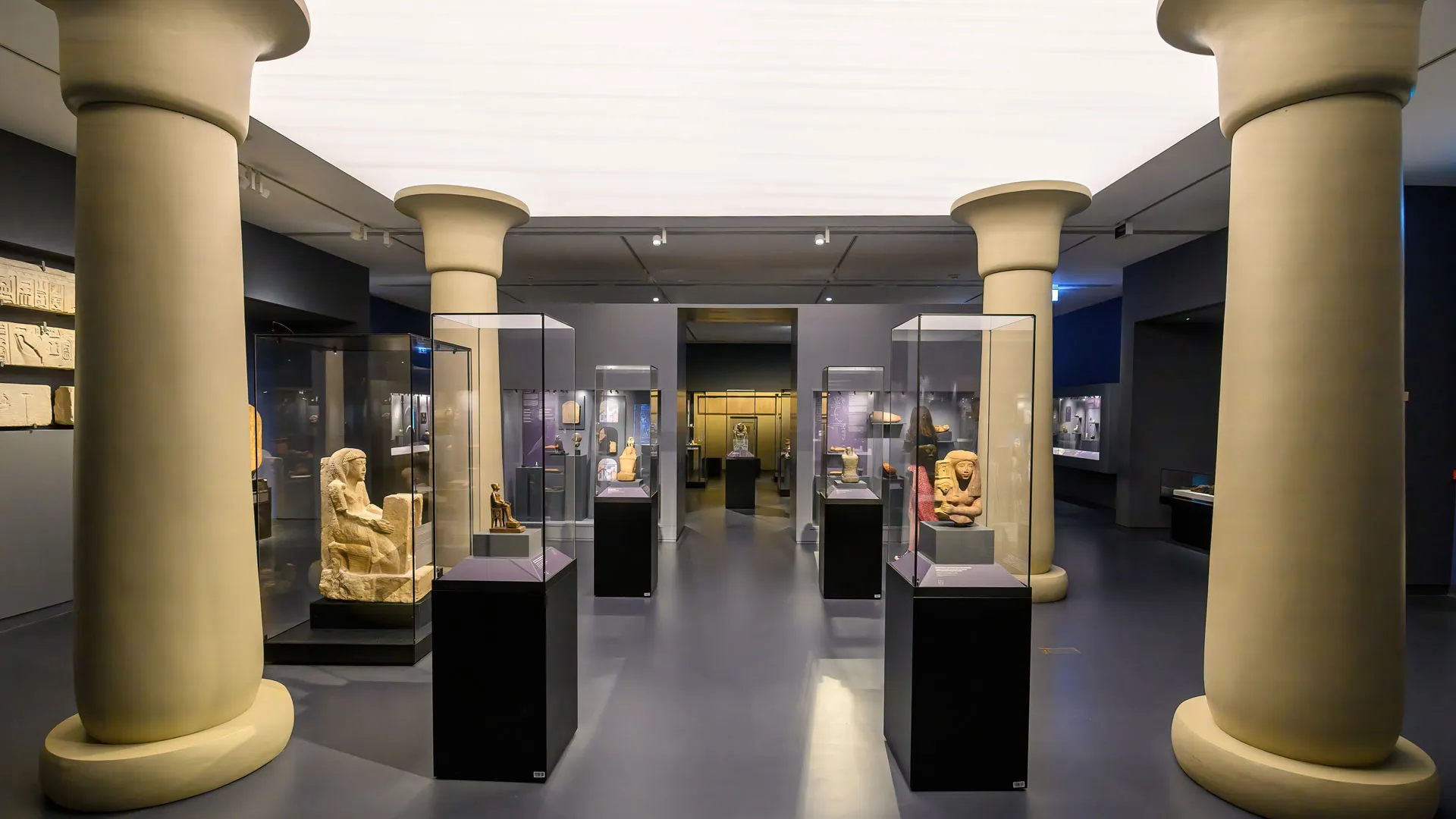
Two to three days: one for each bank and a morning for a balloon ride or a museum. Many visitors start or finish a Nile cruise here.
Tips
Buy a combined west bank plan with a guide, as the sites are spread out. Bring water and a hat, and agree on prices for carriage and boat rides before you go.
Gallery

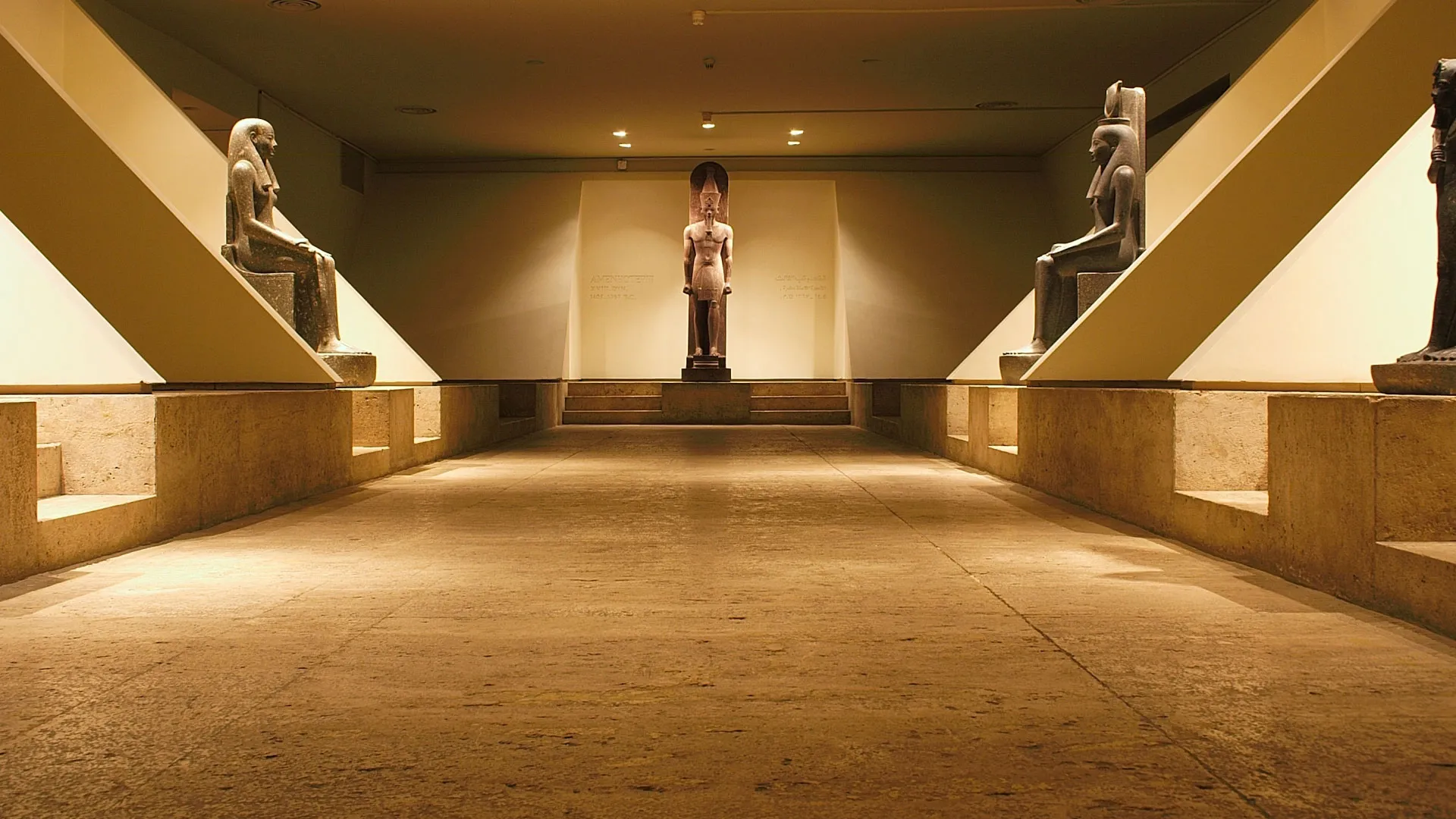
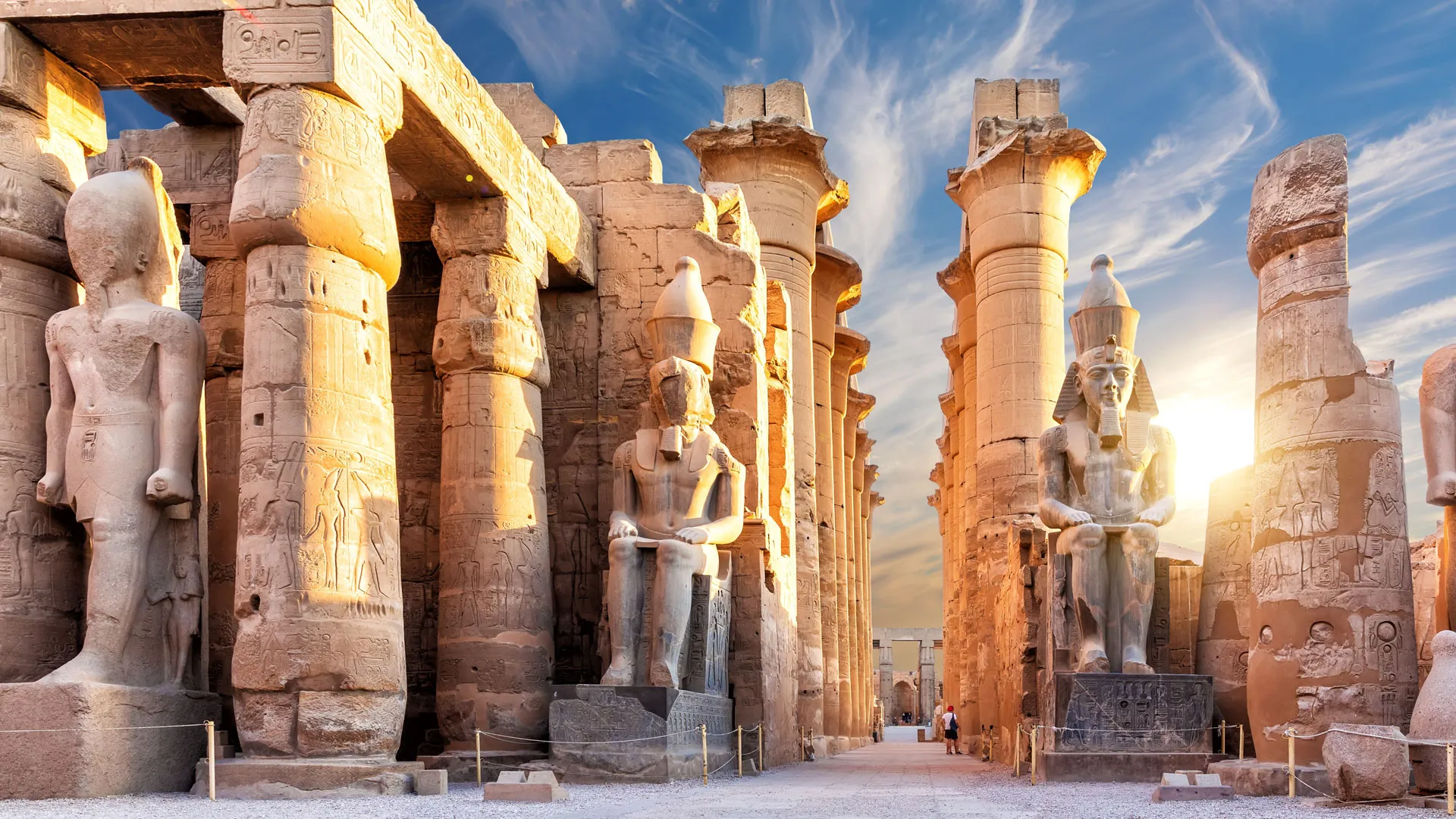


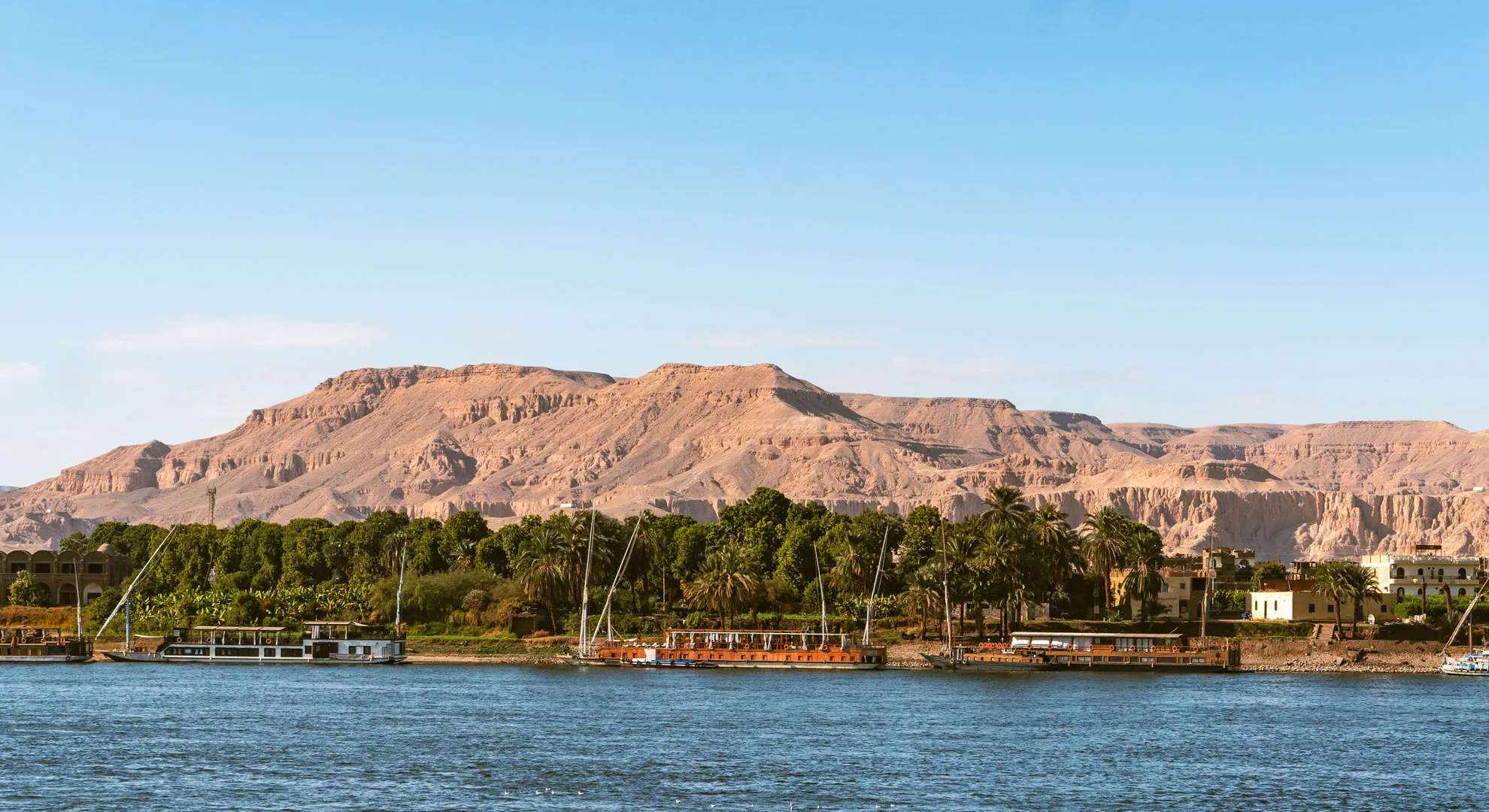
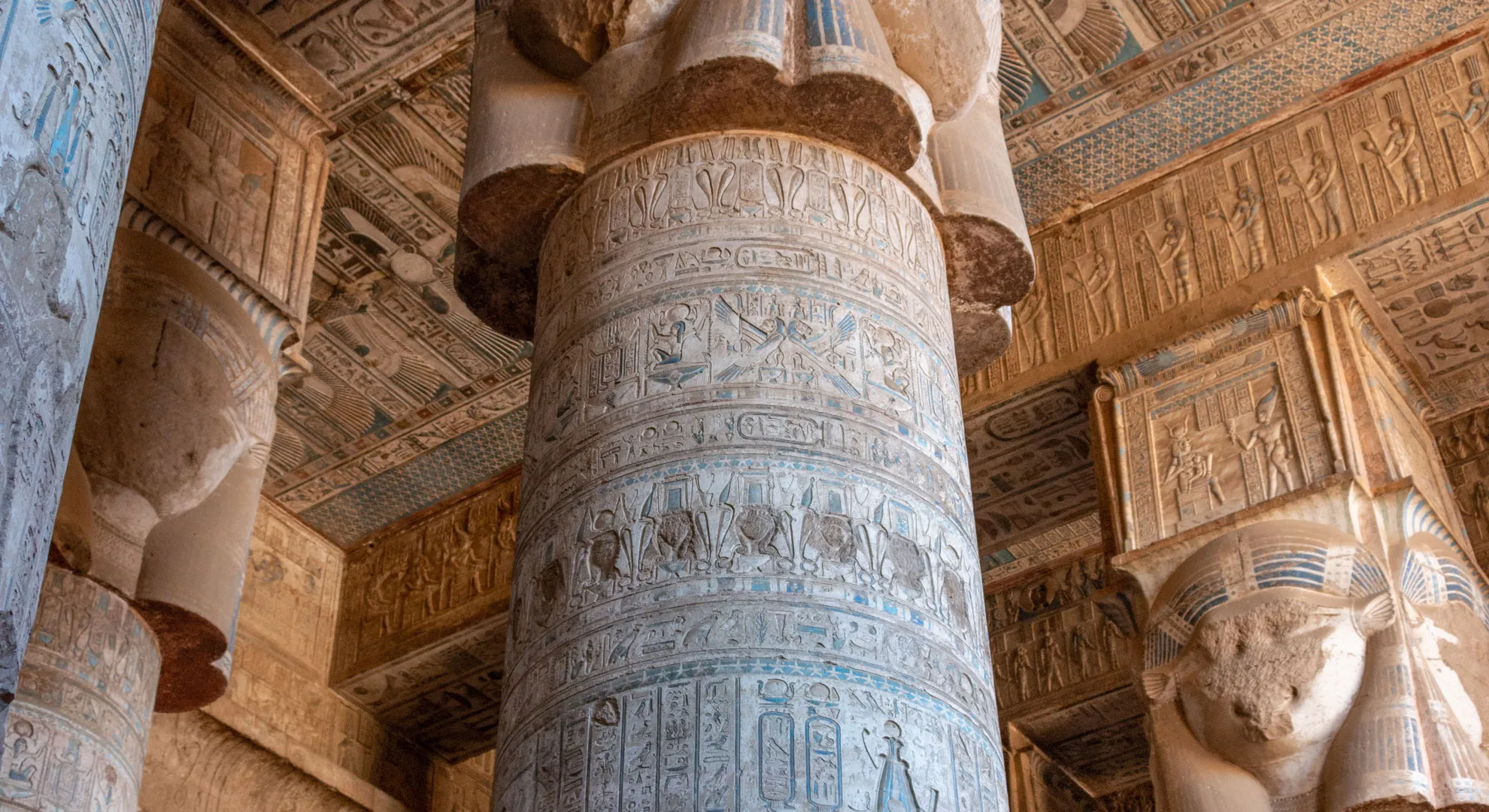
Popular Attractions
Whether you're seeking adventure, relaxation, or a deeper connection with the local heritage, our list of popular attractions will help guide your journey and ensure you don't miss the must-see locations





Accommodation

Luxor offers grand Nile-side hotels from the golden age of travel, modern resorts and simple guesthouses on the quieter west bank, close to the tombs and fields.
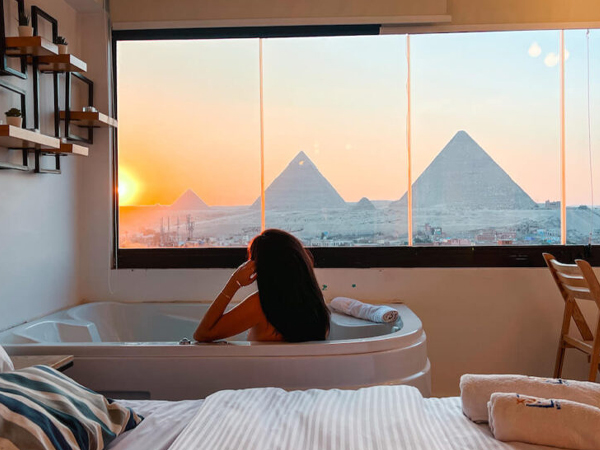
Famous Hotels
Stay on the east bank for restaurants and the temples, or on the west bank for village calm and early starts at the Valley of the Kings.

Food Experience
Luxor's food is Upper Egyptian home cooking: sun-risen bread, slow-cooked stews and fresh produce from the fields around the city.

Favorite Cuisines
Eat on a rooftop facing the Nile or the temples, and try a home-cooked meal in a west bank village.
Transportation & More
Luxor is compact on the east bank and spread out on the west bank. The Nile is part of the transport network: ferries and boats cross all day.
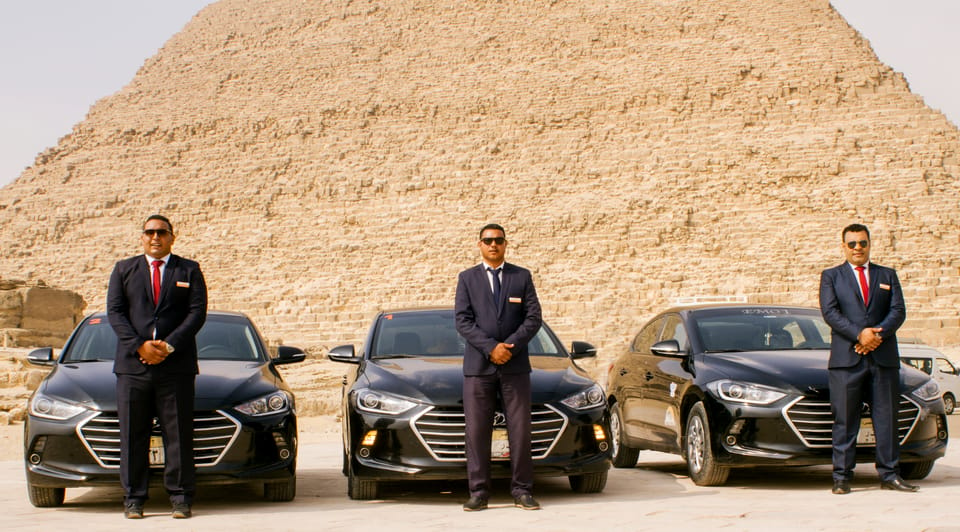
Transportation Options
Walk or take a carriage on the east bank, cross by ferry, and hire a car or bicycle for the west bank sites.
Popular Activties
From thrilling adventures to cultural immersions, each city offers unique experiences that cater to every traveler’s interests.


Customize your trip with an expert trip designer
Book your trip when it is perfectly designed and customized, just for you.